· marketing · 7 min read
Beyond A/B Testing: Creative Ways to Use Optimizely for Personalization
Shift from simple A/B tests to richer personalization with Optimizely. Learn creative tactics-server-side personalization, progressive profiles, algorithm experiments, lifecycle targeting-and a repeatable playbook to increase engagement and loyalty.
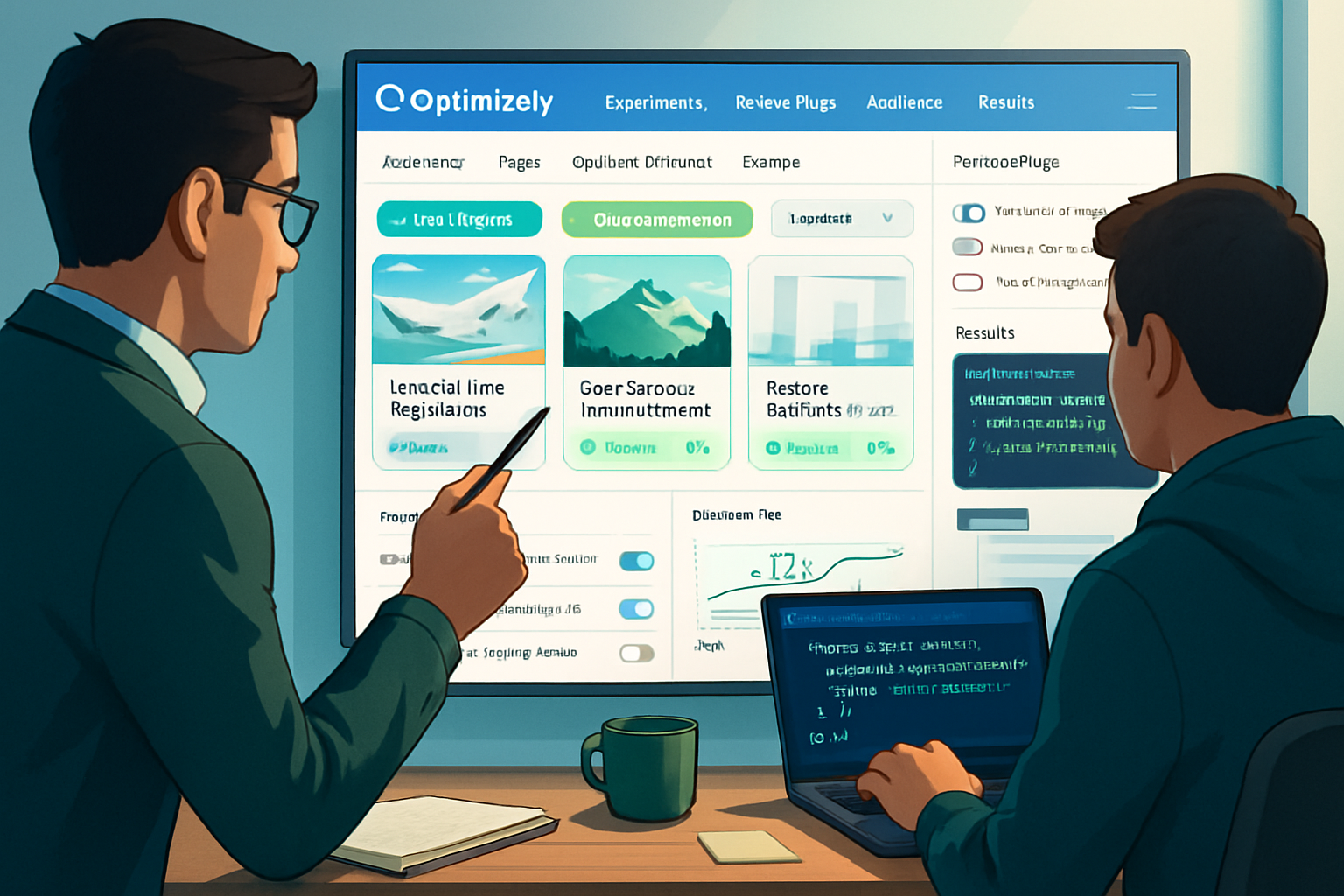
Achieve higher engagement and real customer loyalty - without getting stuck in endless A/B cycles
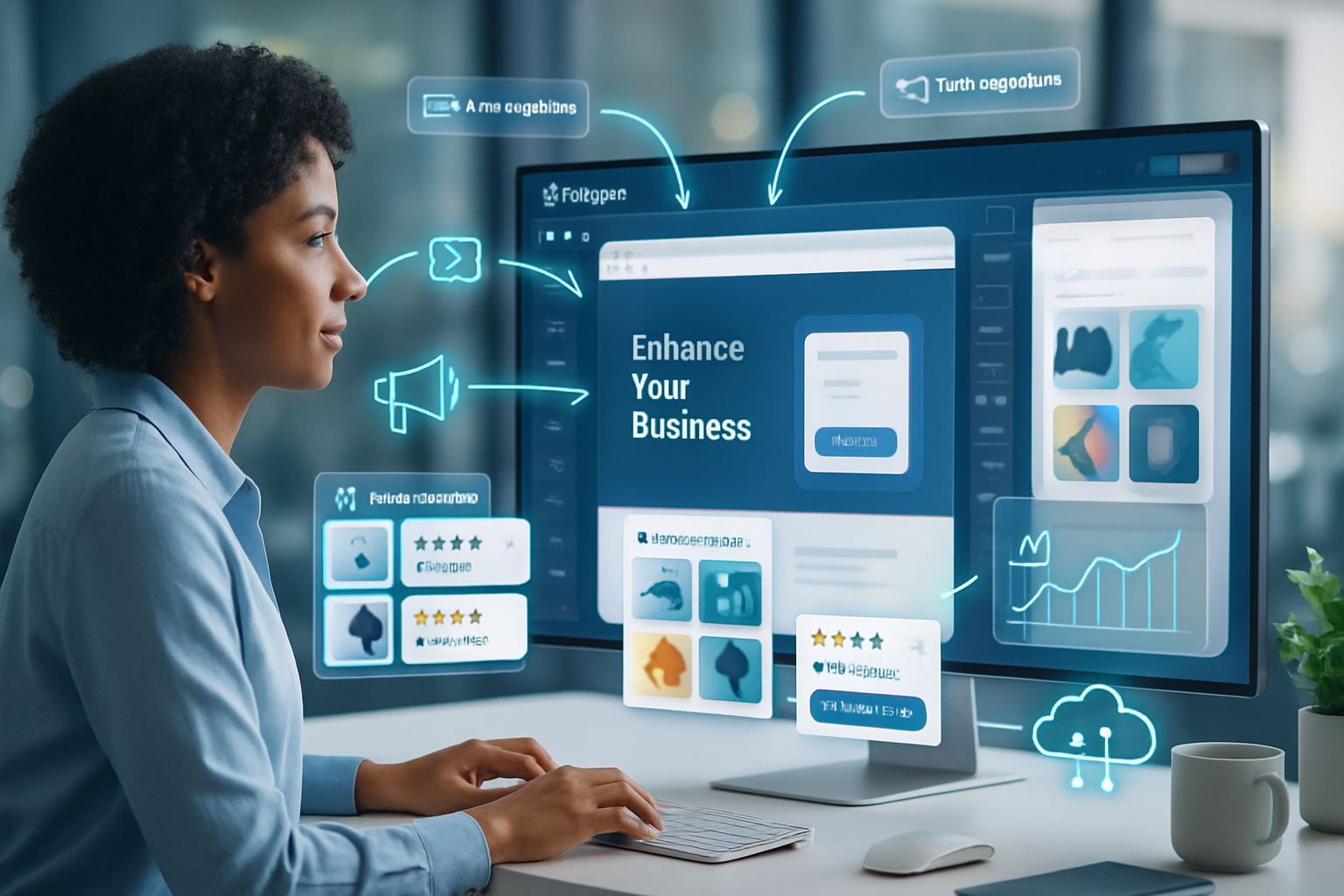
Imagine your site or product delivering the right content, experience, or feature to the right person at the right time - every time. No more one-size-fits-all tests. No more changing a headline and hoping for the best. With Optimizely’s suite of tools, you can build persistent, measurable personalization that grows engagement and loyalty.
This article shows you how to use Optimizely beyond its classic A/B experiments. You’ll get tactical strategies, concrete implementation patterns, measurement guardrails, and a short playbook you can run with this week.
Why move beyond A/B testing?
A/B tests are invaluable for isolating causal effects. They shine when you need a clear yes/no decision on a discrete change. They fall short when the goal is ongoing personalization:
- They treat people as exchangeable traffic, not individual customers. Short experiments rarely build a persistent relationship.
- They don’t scale well when you want many micro-experiences tailored to different segments.
- They can be slow when you need server-side changes or need to safely iterate on complex algorithms.
Personalization is a continuous process: collect signals, infer preferences, adapt experiences, and keep learning. Optimizely gives you multiple products and integrations to operationalize that loop - not just for one headline on a home page, but across onboarding, product features, commerce, and lifecycle channels.
Optimizely components you’ll use (quick tour)
- Optimizely Web & Feature Experimentation - browser-based experiments and feature flags for frontend changes. Docs
- Optimizely Full Stack - server-side SDKs for personalization logic and safe rollouts. Full Stack docs
- Optimizely Personalization & Data Platform (ODP) - audience creation from behavioral signals and real-time visitor profiles. Personalization overview, Data Platform
- Feature flags / Rollouts - targeted releases and progressive exposure for features and personalized experiences. Feature experimentation
These tools can be combined with your CDP (Segment, RudderStack, etc.), analytics, recommendation engine, and marketing automation to deliver joined-up personalization.
Creative personalization strategies (with how-to and measurement)
Below are practical patterns that go beyond swapping headlines. Each has implementation notes and metrics to watch.
1) Progressive personalization (start anonymous, finish known)
What it is: Collect low-friction signals first (clicks, search, viewed categories), then progressively request identity or richer preferences when value is clear.
How to implement:
- Use Optimizely audiences to create segments based on anonymous events (page views, search terms, product views).
- Serve small personalized nudges (tailored product rows, recommended content) to anonymous visitors.
- When engagement thresholds are crossed (e.g., 3 product views), prompt for a small ask (email or interest select) and then merge that ID into the visitor profile.
- Backfill historical signals into ODP to immediately personalize logged-in experiences.
Measurement: track engagement lift (CTR on recommended items), conversion of micro-asks (email capture rate), and lifetime value uplift post-identification.
2) Behavioral micro-segmentation with dynamic content
What it is: Create fine-grained segments based on behavior and render content dynamically using Optimizely audiences + decisioning.
How to implement:
- Define segment rules (e.g., “browsed camping gear 3+ times in 7 days”, “frequent late-night shoppers”).
- Create dynamic content templates and feed them product IDs or copy via server-side Full Stack or client-side personalization slots.
- Use feature flags to toggle new templates and ramp by audience.
Measurement: segment-specific engagement rates, churn risk (if personalization reduces churn), and average order value for targeted segments.
3) Server-side personalization with Full Stack (fast, safe, powerful)
Why use it: Server-side personalization avoids flicker, scales to authenticated experiences, and can use secure signals (purchase history, ML scores).
Quick example (Node.js):
const optimizelySDK = require('@optimizely/optimizely-sdk');
const optimizelyClient = optimizelySDK.createInstance({
  sdkKey: process.env.OPTIMIZELY_SDK_KEY,
});

// Decide which hero variant to serve for a user
const userId = req.user ? req.user.id : req.cookies.anonymousId;
const attributes = {
  loyaltyTier: req.user?.tier,
  recentPurchaseCategory: req.user?.lastCategory,
};

const decision = optimizelyClient.activate(
  'hero_experiment_key',
  userId,
  attributes
);
if (decision?.variationKey === 'variant_a') {
  renderHero('variantA');
} else {
  renderHero('control');
}
Implementation notes:
- Keep personalization logic centralized in the service that has the richest data.
- Use feature flags to change the decision logic without code deploys.
- Use feature experiments to measure lift of algorithm variants (see strategy 6).
Measurement: backend metrics like CTR on hero, conversion funnel steps, and latency impact.
4) Personalize product recommendations and bundles
What it is: Combine ODP behavioral signals or your recommendation engine outputs with Optimizely targeting to show personalized product rows, curated bundles, and cross-sells.
How to implement:
- Stream product view and purchase events to ODP or your CDP.
- Use a recommendation engine (or simple co-viewing models) to create ranked lists per user.
- Serve lists through client templates or server-side endpoints, and A/B/experiment different presentation or bundle thresholds with Optimizely.
Measurement: incremental revenue per session, add-to-cart rate on recommended items, and bundle take rate.
5) Personalize onboarding and onboarding sequences
What it is: Instead of one generic onboarding, detect intent and customize the flow (power-user vs. occasional user, use-case driven onboarding).
How to implement:
- Create onboarding variants in Optimizely for different inferred intents.
- Track events that indicate success (time-to-first-value, feature activation).
- Use feature flags to progressively unlock advanced flows for high-potential users.
Measurement: activation rate, time-to-first-value, retention at 7/30/90 days.
6) Experiment on algorithms (not just UI)
What it is: Test different personalization algorithms (e.g., collaborative filtering vs. content-based recommendations) using Feature Experimentation or Full Stack.
How to implement:
- Treat each algorithm as a variation in a feature experiment.
- Randomize or target by audience depending on risk.
- Ensure deterministic assignment for consistent user experience.
Measurement: cohort-level revenue lift, downstream retention, and algorithm-specific KPIs (e.g., relevance score, click-through rate).
7) Lifecycle and cross-channel personalization (email, push, onsite)
What it is: Use ODP segments and event-based triggers to coordinate personalization across channels so the experience is consistent.
How to implement:
- Define lifecycle audiences (new user, at-risk, high-value) in ODP.
- Sync segments to marketing automation to send contextual emails or push messages.
- Use the same segment definitions to mutate onsite UI via Optimizely audiences.
Measurement: cross-channel conversion lift, reactivation rate, and multichannel attribution for retention.
8) Real-time contextual personalization
What it is: Use geo, weather, time-of-day, device, or referral source to alter messaging and offers.
How to implement:
- Capture contextual attributes early in the request (headers, geo IP, query params).
- Use Optimizely audiences or server-side decisions to serve context-aware variants.
- Combine with behavioral signals for hybrid rules (e.g., night-time shopper who browses outdoor gear).
Measurement: session conversions for contextual variants, coupon code use, and incremental revenue.
Operational best practices and guardrails
- Privacy & consent - respect user consent for tracking and profiling. Keep PII out of uncontrolled attributes and follow GDPR/CCPA rules.
- Data quality - ensure events and attributes are consistent and versioned. Bad signals ruin personalization.
- Rollouts + safety - always wrap risky personalization changes in feature flags and progressive rollouts.
- Attribution and peel-back - measure incremental lift with holdout audiences when possible. Maintain a control cohort for long-term evaluation.
- Avoid over-personalization - too much tailoring can backfire. Test for perceived usefulness, not only immediate CTR.
A simple 6-step personalization playbook
- Define the business outcome (e.g., increase retention of new users by X%).
- Identify high-value segments and the signals that predict that value.
- Build a minimal personalization experience (one decision, one channel).
- Deploy behind feature flags and target a small audience.
- Measure short-term and medium-term metrics, then iterate.
- Ramp gradually, sync segments across channels, and re-evaluate periodically.
What to measure (KPIs that matter)
- North-star - retention rate or customer lifetime value for personalized cohorts.
- Leading indicators - engagement rate, time-to-first-value, activation.
- Business metrics - average order value, conversion rate, churn rate.
- Health metrics - load time, error rate, rollback frequency for personalization changes.
Quick checklist before you launch
- Are visitor attributes and events instrumented and validated?
- Is the targeting deterministic for logged-in users?
- Is there a kill-switch (feature flag) and a rollback plan?
- Do you have holdout users for long-term lift measurement?
- Have you checked privacy & consent for the data you use?
Closing - the most important point
A/B testing tells you whether a small change wins. Personalization builds relationships. Use Optimizely not just to compare alternatives, but to continuously tailor and learn from each customer interaction so experiences compound into trust - and trust compounds into loyalty.
Optimizely Docs Optimizely Personalization Overview Optimizely Data Platform (ODP) Full Stack Docs Feature Experimentation Docs Segment (example CDP integration) Multi-armed bandit - background