· creativity · 6 min read
Controversial Murals: When Art Becomes Activism
Murals can catalyze movements, ignite debate, and alter public space. This article examines landmark controversial murals, the tensions they reveal between artists and communities, and practical ways creators and organizers can balance expressive power with local impact.
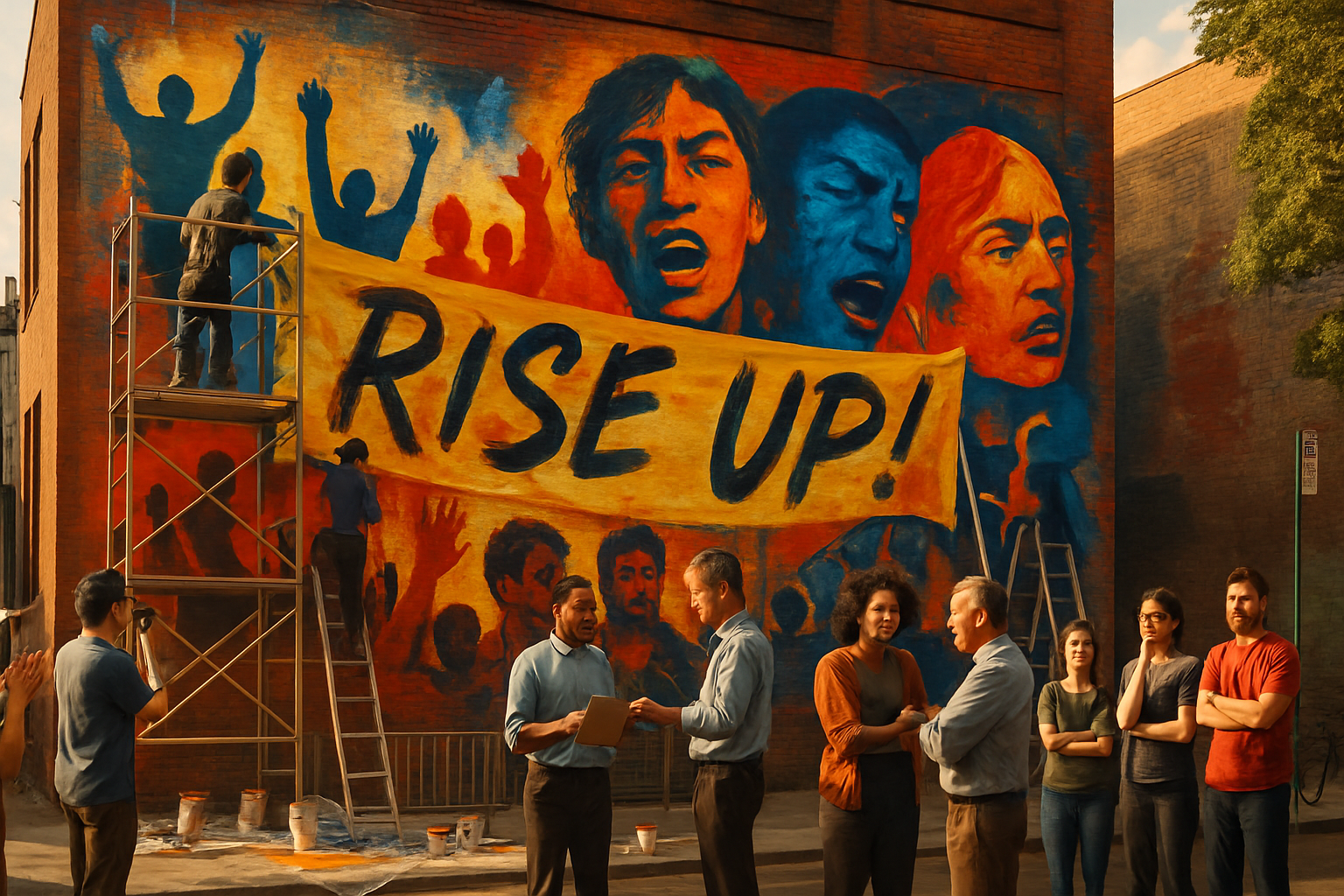
Outcome: learn how murals move from aesthetic statement to activist tool, why they sometimes provoke conflict, and how artists and communities can navigate that tension to create durable, ethical work.
Why murals matter - and why they sometimes explode
Murals are public, large, and unavoidable. They make claims on shared space with color and scale. That makes them perfect for social movements. It also makes them flashpoints.
You can use a mural to memorialize, to persuade, to commemorate, or to provoke. You can also inadvertently hurt community members, escalate political tension, or provoke legal backlash. This article maps the landscape: the history, notable controversies, and practical ways artists balance expression with community impact.
A short history: from walls of pride to walls of conflict
Public painting has long been a vehicle for collective identity. In the U.S., the 1967 Wall of Respect in Chicago-painted by a group of Black artists-transformed a neighborhood wall into a civic manifesto and inspired community mural movements across the country [https://www.encyclopedia.chicagohistory.org/pages/1267.html].
Across the Atlantic and earlier in the 20th century, Diego Rivera’s career shows how murals can collide with power. Rivera’s 1933 Rockefeller Center commission was destroyed after he included Vladimir Lenin in the composition. The removal crystallized a clash between corporate patrons, political art, and public visibility [https://www.smithsonianmag.com/arts-culture/man-at-the-crossroads-diego-rivera-180967795/].
Meanwhile, in places like Belfast, murals are not just art; they are territorial markers. Sectarian murals in Northern Ireland both narrate history and keep conflict alive-beautiful, painful, and politically loaded [https://www.bbc.com/news/uk-northern-ireland-46208210].
These examples show two things: murals can be powerful instruments of identity and memory, and their publicness means they will be judged by audiences far beyond the artist’s studio.
Case studies: when controversy becomes part of the message
Diego Rivera - “Man at the Crossroads” - A mural commissioned for Rockefeller Center that was destroyed when Rivera refused to remove a portrait of Lenin. It highlights patronage tensions and the risk of corporate censorship [
Belfast murals - Sectarian murals have been used by both republican and loyalist communities to narrate identity, commemorate victims, and assert territorial claims. They illustrate how murals can harden political lines as much as heal them [
Banksy - public provocation and legal headaches - Banksy’s politically charged murals have prompted debate over vandalism vs. art, ownership, and commodification. Works like “Slave Labour” and politically provocative stencils have been removed, sold, or defaced-often amplifying the original message while complicating the artist’s intent [
Black Lives Matter murals (2020) - Bold street paintings that read “BLACK LIVES MATTER” were executed by volunteers on major avenues across U.S. cities. They were acts of protest and public pedagogy. They also raised questions about permanence, permits, and whether municipal endorsement turns activist art into an official placard [
Each example shows a different fault line: patronage vs. expression, territorial identity, legal status of street art, and the blurred line between protest and sanctioned message.
Why controversies flare: five common fault lines
Site and symbolism - A mural’s location changes its meaning. A portrait of a revolutionary in a corporate plaza reads differently than that same image in a neighborhood mural.
Ownership and permission - Unauthorized murals can be called vandalism. Even permitted murals can conflict with local stakeholders.
Representation - Who gets painted and who gets to decide? Murals addressing race, gender, and history can reopen community wounds if they omit key voices.
Commodification - Street art that begins as protest can be cut from walls and sold, creating ethical dilemmas about who profits.
Permanence vs. temporality - Activist energy often prefers immediacy. Cities prefer durability and maintenance. That mismatch generates debate.
How artists can balance expression with community impact
Artists don’t have to abandon provocation. But they do need strategies that respect the people who live with the work every day.
Start with listening. Begin a mural project by meeting local residents, business owners, and community groups. Ask what stories they want told and what they don’t want repeated. Listening uncovers issues you might not anticipate.
Co-create when possible. Collaborative murals-where residents help design or paint-tend to be less divisive and more durable. They turn authorship into shared ownership.
Be transparent about intent and limits. Explain the message, the reasons for location, and the planned lifespan. Clear communication reduces suspicion.
Consider context and site history. Research the wall and the neighborhood. What prior murals existed? Has the space been contested? Acknowledging history can defuse tension.
Design for multiple readings. Powerful murals often hold complexity - room for dissenting interpretations while still conveying a core message.
Plan for maintenance and stewardship. A mural abandoned to weather, graffiti, or removal sends a different message than a cared-for piece. Secure a maintenance plan before you paint.
Protect vulnerable imagery. If your work includes portraits or sensitive symbols, verify permissions and consider how descendants or affected communities will feel.
Prepare for legalities. Get permits when required. If you intentionally work without them, understand the legal and reputational consequences.
How communities and institutions can respond constructively
Artists are not the only actors responsible for outcomes. Cities, institutions, and residents have duties too.
Create public mural policies that balance freedom and process. Policies that prioritize community consultation, accessible permitting, and rapid restoration after vandalism help.
Fund community-led programs. Organizations like Mural Arts Philadelphia use murals for reconciliation and civic engagement-structures that reduce conflict by centering local voices [https://www.muralarts.org/].
Use mediation, not removal, when possible. If a mural angers some residents, convene dialogue between artists and critics before deciding on erasure.
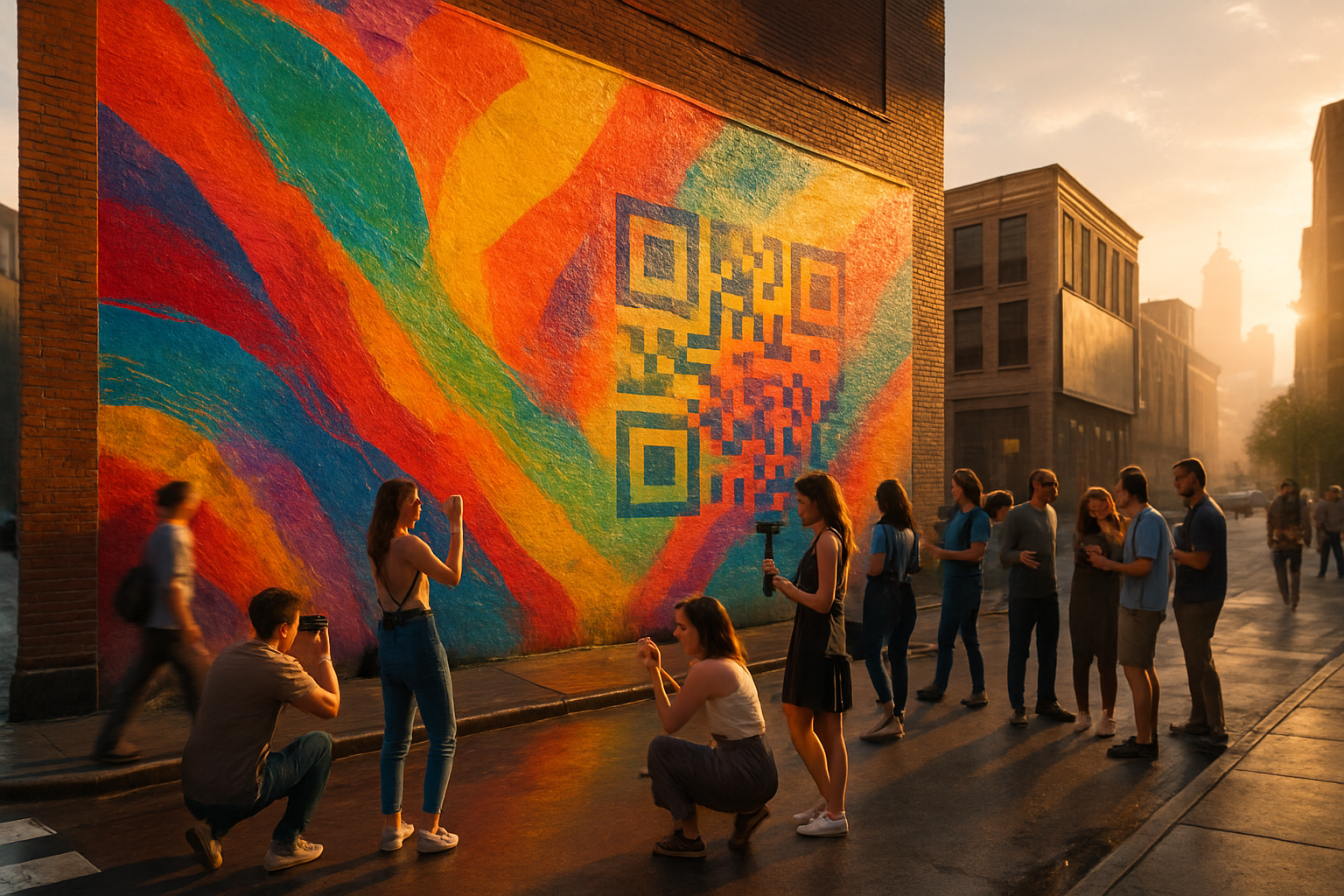
Offer educational framing. Plaques, QR codes, or accompanying text can give historical context and invite viewers into a deeper conversation.
When removal becomes necessary - and how to do it ethically
There are cases where a mural’s harm outweighs its benefits: glorifying violence, inciting hate, or retraumatizing a community. Even then, removal should be a last resort and handled transparently.
- Audit harms - document who objects and why.
- Seek restorative solutions - cover the mural with new public art created with those harmed.
- Preserve heritage strategically - photograph and archive the mural and associated community stories for learning.
Handle the process publicly, with clear rationale and opportunities for community input.
Practical checklist for artists and organizers (quick reference)
- Do your research - site history, stakeholders, legal requirements.
- Engage early - conversations before paint is cheaper than damage control after.
- Co-design when possible - invite participation.
- Plan maintenance - who will steward the work?
- Consider temporality - is this a permanent monument or temporary intervention?
- Prepare a response plan - how will you respond to vandalism, praise, or protest?
Closing: power with responsibility
Murals make claims on public imagination. They can memorialize the marginalized, disrupt comfortable narratives, and convert spectators into participants. They can also wound, divide, or be co-opted.
Artists who want their murals to contribute-rather than alienate-must accept a basic trade-off: the power of public art comes with an obligation to the public it inhabits. When activism enters paint and plaster, a mural’s greatest success is not simply that it shocks or sells. Its greatest success is that it changes how a community sees itself and one another. That is the real measure of public art-and the standard we should hold it to.
References
- Wall of Respect, Encyclopedia of Chicago: https://www.encyclopedia.chicagohistory.org/pages/1267.html
- Diego Rivera, “Man at the Crossroads” controversy, Smithsonian Magazine: https://www.smithsonianmag.com/arts-culture/man-at-the-crossroads-diego-rivera-180967795/
- Belfast murals, BBC: https://www.bbc.com/news/uk-northern-ireland-46208210
- Banksy controversies, The Guardian: https://www.theguardian.com/artanddesign/2013/may/07/banksy-slave-labour-union-jack-controversy
- Black Lives Matter mural in DC, NPR: https://www.npr.org/sections/live-updates-protests-for-racial-justice/2020/06/05/869356300/wide-angle-black-lives-matter-mural-springs-up-on-dc-street
- Mural Arts Philadelphia: https://www.muralarts.org/