· business · 6 min read
Pipedrive vs. Competitors: Why Pipedrive is Still the Best Choice in 2023
A clear, practical comparison showing why Pipedrive remains the best CRM choice for sales teams in 2023-focusing on pipeline-first design, automation, integrations, pricing and real user experiences.

Outcome-first: by the time you finish this article you’ll know exactly whether Pipedrive will shorten your sales cycle, make forecasting reliable, and save you hours of administrative work each week. You’ll also get clear, side-by-side reasons why many teams still choose Pipedrive over heavier, more expensive CRMs.
Why this matters (quick answer)
If you sell - and you want predictable revenue growth without wrestling a complex system - Pipedrive gives you the fastest path from lead to close. Simple UI. Powerful automation. Sales-first features that actually map to how reps work. In short: it helps you sell more, faster.
The promise: what Pipedrive delivers best
- A visual, activity-based pipeline that keeps deals moving.
- Automation that removes repetitive tasks without years of admin work.
- A shallow learning curve so reps adopt it quickly.
- Predictable pricing that scales with growth.
Read on for the deeper comparisons and real user perspectives.
Head-to-head: Pipedrive vs. the main competitors
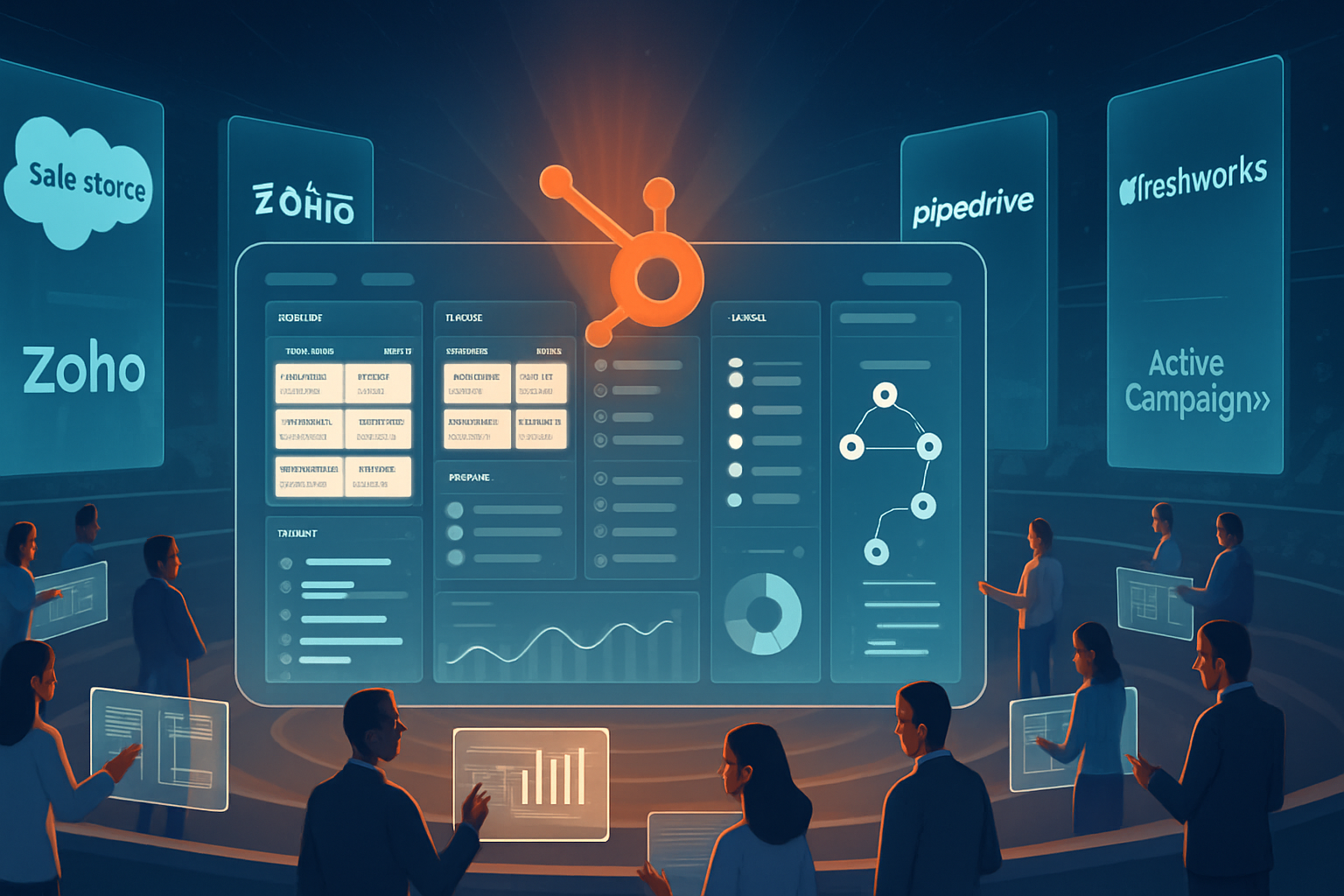
I’ll compare Pipedrive against the names you’ll hear most often: Salesforce, HubSpot, Zoho CRM, and Freshworks (Freshsales). Each has strengths. But if your priority is to run a sales team smoothly and efficiently, Pipedrive consistently wins for SMBs and scaling sales teams.
1) Pipedrive vs Salesforce
- Complexity - Salesforce is the enterprise powerhouse. It can model almost any process, but that power comes with heavy setup cost and ongoing admin. Pipedrive is built around the
- Implementation cost - Salesforce often requires consultants. Pipedrive gets teams live in days, not months.
- When to pick Salesforce - you need large-scale customization, advanced ERP/finance integrations, or very complex permissioning.
Why Pipedrive edges it: For most smaller or mid-market sales teams, Salesforce is overkill. Pipedrive gives the essential capabilities with far lower friction.Salesforce product page
2) Pipedrive vs HubSpot CRM
- Free tier - HubSpot’s free CRM is compelling for inbound-led teams. But HubSpot often drives customers into its paid hubs (Marketing, Sales, Service) to unlock key features.
- Usability - HubSpot adds many marketing-first features; the result can be an interface that’s cluttered for sellers.
- Automation & sales tools - Pipedrive’s workflows focus on sales activities, lead routing, and pipeline movement. It keeps the seller in motion.
Why Pipedrive edges it: If your growth depends on a clean, sales-first UX and predictable cost, Pipedrive’s approach is simpler and more seller-centric.HubSpot CRM
3) Pipedrive vs Zoho CRM
- Pricing - Zoho undercuts many competitors on price and offers many modules.
- UX and speed - Zoho can feel dense. Pipedrive’s interface is intentionally lean-fewer clicks, less training.
- Integrations - Both offer solid integration options, but Pipedrive’s Marketplace emphasizes selling-related apps and lead capture tools.
Why Pipedrive edges it: For teams that want frictionless sales activity management (call logging, quick activities, pipeline drag-and-drop), Pipedrive keeps reps focused.
4) Pipedrive vs Freshsales (Freshworks CRM)
- Feature parity - Freshsales has strong built-in calling and some AI features.
- Experience - Freshsales moves quickly on features. Pipedrive, however, balances useful features with a minimal cognitive load.
Why Pipedrive edges it: If your top priority is pipeline clarity and predictable workflows, Pipedrive remains simpler to coach and scale.
Feature-by-feature: where Pipedrive shines
Below are the practical differences that matter to sales teams every day.
Visual pipeline & activity-based selling
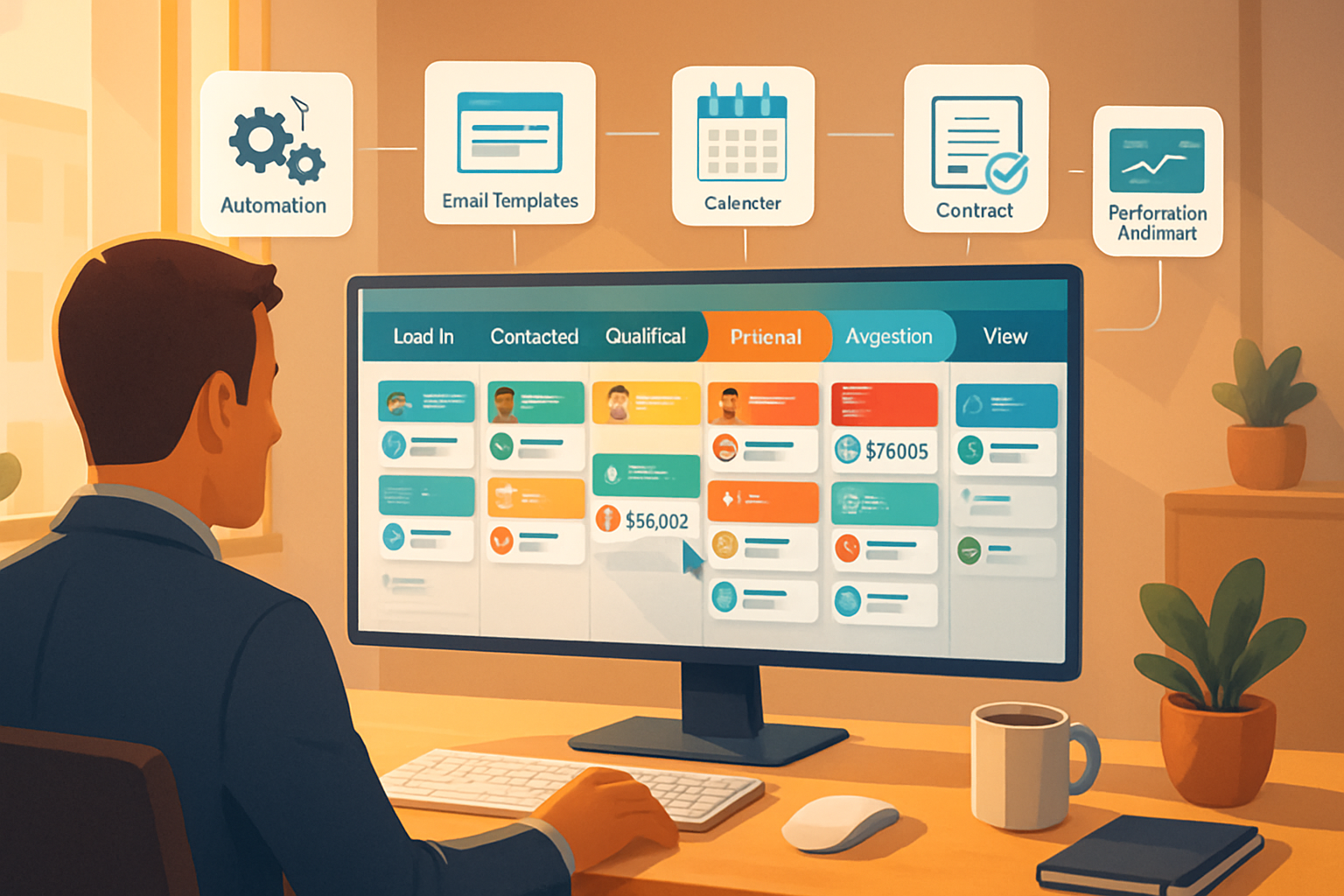
Pipedrive was built around a visual pipeline. That means deals are seen, not buried. You instantly know which deals need action and which are stuck. Pipedrive pairs the pipeline with activity-based selling: calls, meetings, and to-dos are first-class objects. This encourages the single most important habit for predictable sales - consistent activity.
Quick setup and adoption
Drag-and-drop pipelines, clear deal stages, and straightforward contact management = fast onboarding. Reps don’t need week-long training. Managers can start coaching around pipeline stages in days, not quarters.
Automation without complexity
Pipedrive’s workflow automation covers common sales tasks: assigning leads, sending follow-ups, creating activities when deals enter a stage, and updating properties. You get deep, targeted automations without scripting or developer help.
Lead capture and outbound tools (LeadBooster, Web Visitors)
Pipedrive offers lead capture add-ons (chatbots, web forms) and web visitor tracking that plug directly into your pipeline. That reduces lead leakage: new prospects become deals automatically and are routed to the right rep.
Insights and forecasting
Good reporting is actionable. Pipedrive’s Insights and Forecasting are built for sales managers - not data analysts. You can quickly answer: “Are we on track this quarter?” or “Which reps need help closing pipeline X?”
Integrations & Marketplace
Pipedrive integrates with common tools (email, calendar, telephony, Zapier, Slack) and has a marketplace focused on sales enablement. That means you can add targeted capabilities without overhauling your stack.Pipedrive features & marketplace
Pricing & ROI
Pipedrive’s tiers are predictable and tailored to sales teams. For many SMBs the total cost of ownership is lower than the alternatives when you factor in implementation, admin, and training time.
Mobile & remote work
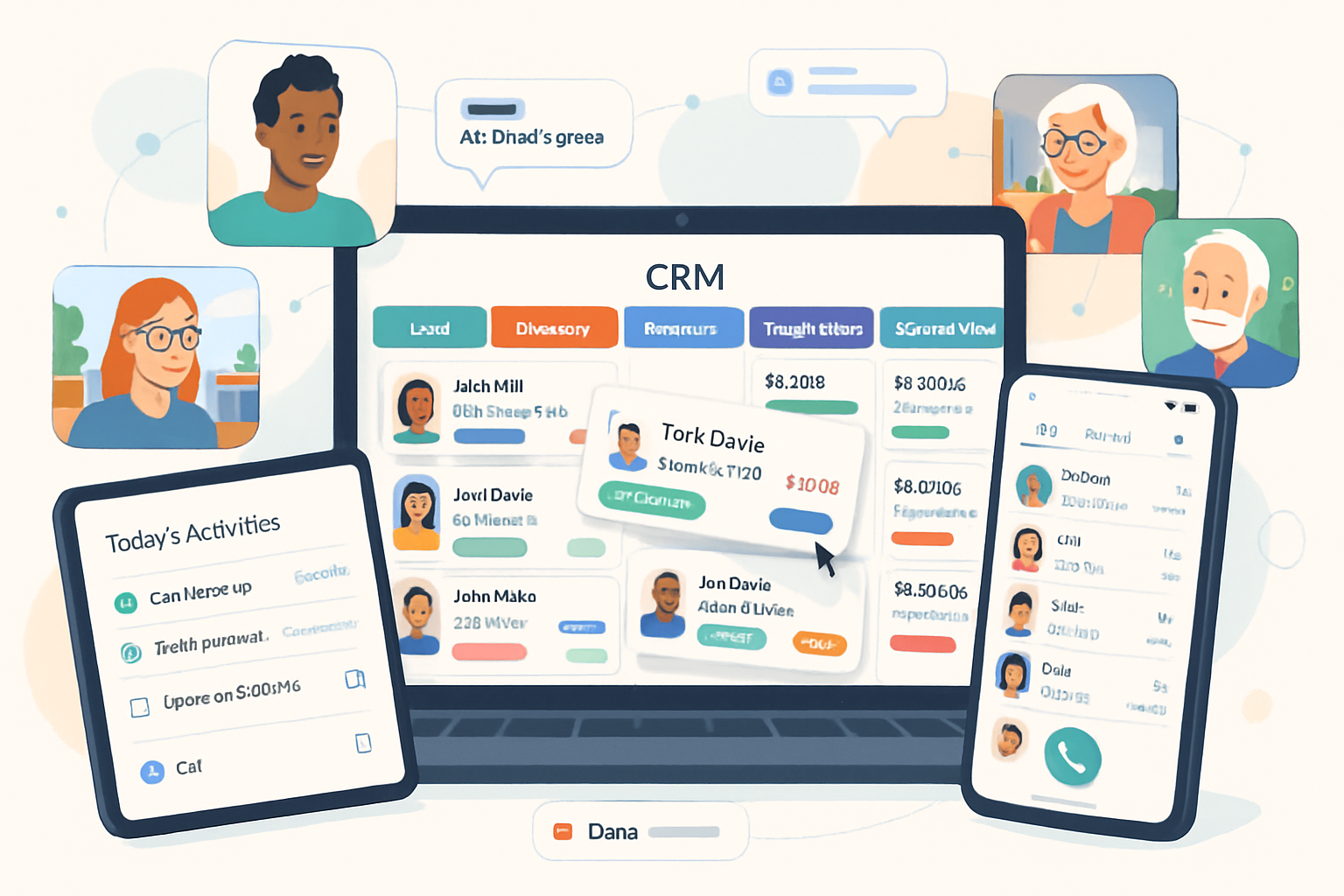
Pipedrive’s mobile apps are lightweight and focused on core sales tasks: update deals, log activities, call prospects. For reps on the road, this matters more than complex dashboards.
What Pipedrive isn’t the best at (honest trade-offs)
- Enterprise-grade customization at the scale of Salesforce.
- Deep marketing automation that matches an all-in HubSpot Marketing Hub setup.
If you need those things, combine tools or consider enterprise CRMs. But for the majority of sales teams looking to accelerate pipeline velocity, Pipedrive finds the right balance.
Real user perspectives (anonymized)
“We cut our admin time in half. Our reps actually update the pipeline now because it’s so simple. We saw a measurable lift in conversion rates in six weeks.” - Maria, Sales Manager, SaaS startup
“We moved from a complex CRM to Pipedrive and adopted faster. Forecasting became realistic instead of guesswork.” - Alex R., Account Executive, 30-person agency
“Lead capture through Pipedrive’s chat-to-deal flow turned our website traffic into qualified opportunities without manual entry.” - Jonah, Head of Growth, eCommerce
These quotes reflect the same pattern you’ll find in independent review sites: sellers reward clarity and speed.Pipedrive reviews on G2
Who should choose Pipedrive in 2023?
Choose Pipedrive if you are:
- An SMB or scaling sales team focused on closing more deals with predictable processes.
- A revenue leader who wants quick adoption and fast time-to-value.
- A company that prefers a sales-first tool over a marketing or service suite.
Consider other options if you need heavy enterprise customization, deep marketing automation as a single platform, or complex ERP integrations.
Quick checklist: is Pipedrive right for you?
- Do your reps need a simple, visual pipeline? Yes -> Pipedrive is a strong fit.
- Do you want low implementation overhead? Yes -> Pipedrive wins.
- Do you need advanced marketing automation as one integrated suite? No -> consider HubSpot.
- Do you require enterprise-grade customization and dedicated consultants? No -> choose Pipedrive.
Final verdict
In 2023, an effective CRM must do two things well: help reps sell, and keep managers informed with accurate pipeline data. Pipedrive does both with minimal overhead. It trades the all-powerful-but-heavy approach of enterprise CRMs for a focused, sales-first experience that accelerates adoption and shortens sales cycles. If your priority is to get your team selling more-fast-Pipedrive is still one of the best choices on the market.
If you’re evaluating CRMs right now, try mapping your top three objectives (adoption speed, automation needs, and total cost) and test Pipedrive against those. You’ll likely find it checks the boxes where it counts.
References
- Pipedrive features: https://www.pipedrive.com/en/features
- HubSpot CRM: https://www.hubspot.com/products/crm
- Salesforce products: https://www.salesforce.com/products/
- Zoho CRM: https://www.zoho.com/crm/
- Freshworks CRM: https://www.freshworks.com/crm/
- Pipedrive reviews: https://www.g2.com/products/pipedrive/reviews