· creativity · 6 min read
Controversy in AI Voice: Are We Losing Authenticity with Tools Like Sonantic?
A deep dive into ethical issues raised by hyper-realistic AI voice tools like Sonantic - exploring consent, deception, creative trade-offs, industry responses, and practical steps creators and platforms can take to keep authenticity alive.
What you’ll get from this article
You’ll walk away able to: 1) explain why hyper-realistic synthetic voices raise deep ethical questions, 2) weigh the creative benefits against risks to authenticity, and 3) apply a practical checklist to use AI voice responsibly in your projects.
This article gives you the context, the dilemmas, and clear next steps. Read on and decide where you - as a creator, producer, or platform operator - will draw the line.
Quick background: what is Sonantic, and why mention it?
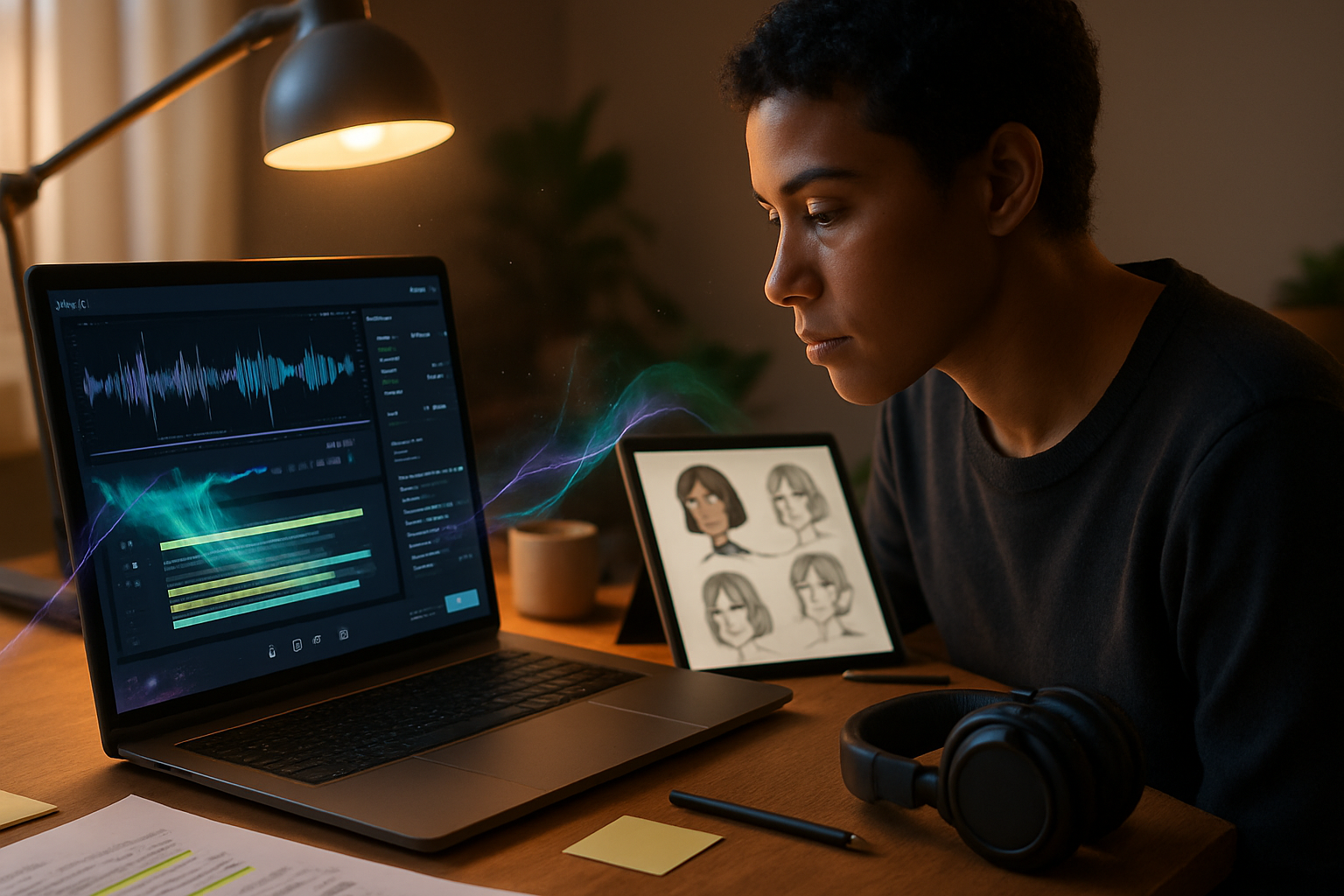
Sonantic built tools that generate highly realistic human speech from text and emotional controls. Its technology gained attention for producing voices that sound natural enough to sit in games, movies, and immersive experiences. The company was later acquired by a major audio platform - an event widely reported as a sign that synthetic voice tech was moving rapidly from labs to mainstream content pipelines (Sonantic website; reported acquisition coverage: The Verge).
That combination - compelling output plus deep pockets and distribution - is why Sonantic is a useful case study: it represents the moment AI voice went from novelty to infrastructure.
The core tension: innovation vs. authenticity
AI voice tools promise speed, scale, and cost savings. They let creators prototype dialogue instantly, localize content into many languages, and restore or alter performances without expensive re-recording.
But authenticity in voice acting and storytelling is more than correct pitch and cadence. Authenticity is emotional nuance, intention, and permission. It’s also audience trust: the implicit contract between creator and listener that what they’re hearing was performed by the actor-or at least clearly produced with consent.
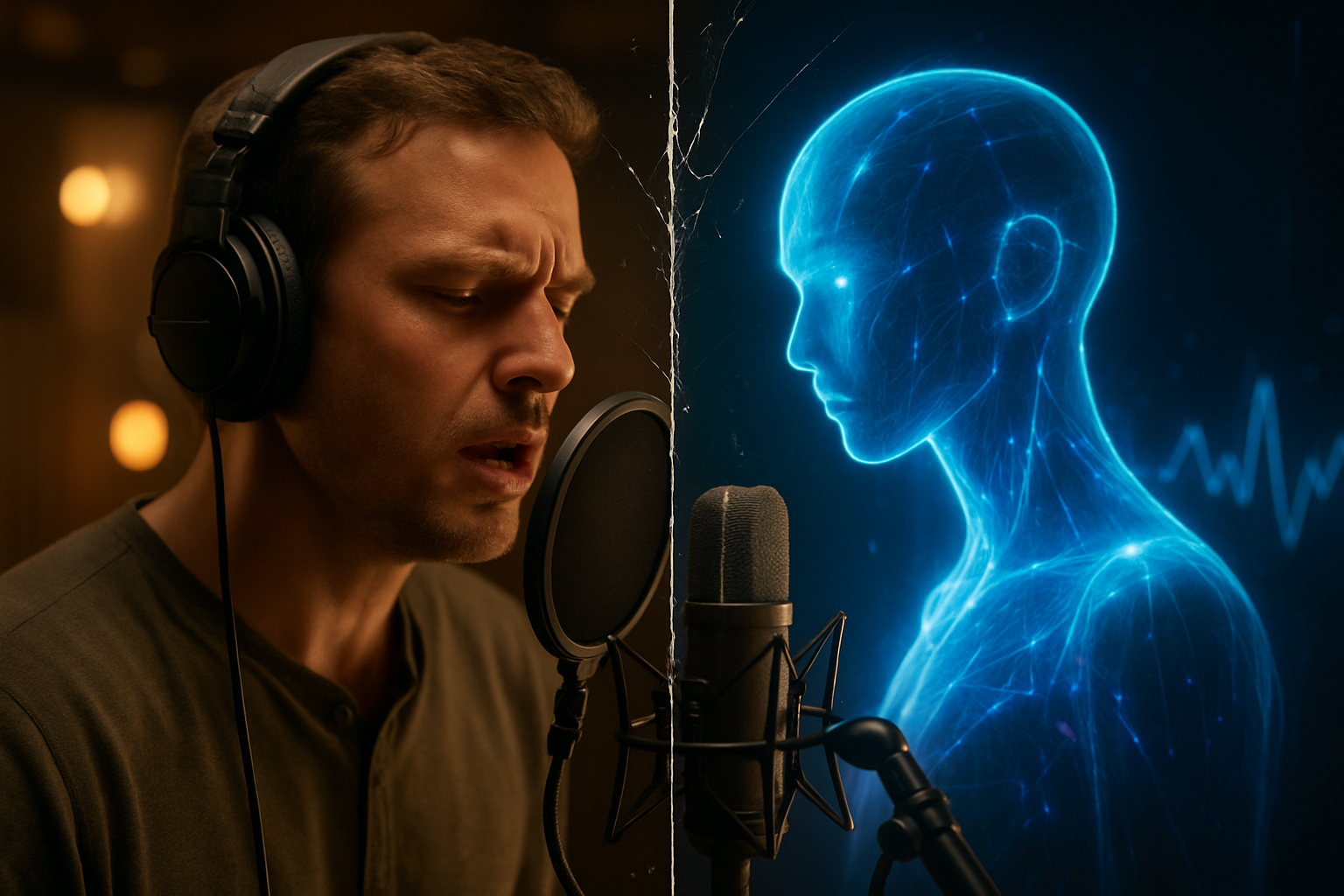
When a synthetic voice reproduces a performer’s timbre and expressive choices, we still hear sound. But do we still hear a performance? That’s the ethical question.
Key ethical issues
Below are the main fault lines that emerge when hyper-realistic voice tech is used without careful guardrails.
Consent and agency
- Who owns a voice? Do performers implicitly consent to digital copies? Most don’t. Using a voice model trained on an actor’s work without explicit permission compromises personal agency and can harm reputation and livelihood.
Compensation and labor displacement
- Voice acting is a skilled profession. Synthetic voices can reduce opportunities and undercut wages if rights and royalties aren’t respected. This isn’t just economic - it reshapes craft standards.
Deception and trust
- Synthetic voices can be used to impersonate people, spread misinformation, or create emotionally manipulative content. Without clear disclosure, listeners can be misled.
Emotional authenticity and subtlety
- Current systems are impressive but can miss micro-expressions and improvisational choices that make a performance feel human. That absence matters to audiences and collaborators.
Bias, representation, and cultural appropriation
- Models trained on skewed datasets can replicate stereotypes or erase dialectal and cultural nuance. Using a synthetic voice to mimic communities without engagement risks harm.
Posthumous use and legacy
- Recreating voices of deceased performers raises tough questions about legacy, consent from estates, and whether fans should hear ‘new’ material from someone who can’t consent.
Real-world responses and where the industry stands
Creators, unions, and platforms are reacting in different ways.
Unions and guilds are negotiating protections. Talent organizations are increasingly demanding clauses that restrict unconsented voice cloning and secure compensation for synthetic reuse.
Platforms and vendors are adding technical mitigations. Some providers are exploring digital watermarking, provenance metadata, and auditable logs to label synthetic output.
Public debate and regulatory interest are growing. Lawmakers and policy bodies are considering frameworks that balance innovation with rights to one’s likeness and voice.
For reporting and coverage on the business side and industry moves, see reporting like The Verge’s coverage of Sonantic’s acquisition and analysis pieces on the broader implications (The Verge).
Technical and policy tools to preserve authenticity
There is no single fix. But an ecosystem of technical, contractual, and policy measures can keep synthetic voice use ethical and visible:
Consent-first licensing
- Obtain documented consent for voice modeling. Contracts should specify scope, duration, compensation, and revocation rights.
Provenance and metadata
- Embed machine-readable provenance metadata that declares when content is synthetic and records the model and training permissions.
Robust watermarking
- Develop inaudible or visible watermarks that survive compression and common processing so platforms and listeners can verify authenticity.
Rights registries and opt-out lists
- Create registries where performers can register protected voices or opt out of training datasets.
Audits and model documentation
- Publish model cards and data sheets that describe training data, intended use, and known limitations. Independent audits can verify compliance.
Labeling and disclosure to audiences
- Always disclose synthetic audio to end users, especially in news, documentary, political, or emotionally sensitive contexts.
A practical checklist for creators and platforms
If you produce, hire, publish, or host audio content that may use synthetic voice, use this checklist:
- Did you obtain explicit, written consent from any human voice the model mimics? If no, don’t use it.
- Is compensation and credit clearly spelled out in contracts or licenses? If no, renegotiate.
- Is synthetic material clearly labeled to listeners? If no, add visible or audible disclosure.
- Does the output include metadata or watermarking for provenance? If no, require it from vendors.
- Have you tested outputs for cultural or emotional insensitivity and bias? If no, run audits and user testing.
- Is there a removal process if a subject or estate withdraws permission? If no, create one.
Follow this checklist and you reduce the chance that your use erodes trust - or incurs legal and reputational damage.
Balancing opportunity and responsibility: creative use cases done well
AI voice can be a force for good when humans lead the creative choices:
Augmenting performances - a tool that helps an actor iterate lines or match takes for ADR - with consent - can speed production without replacing artistry.
Accessibility - synthetic voices can expand access by producing high-quality narration in multiple languages and voices, if creators respect rights and mark content.
Archival restoration - carefully authorized restorations of historical recordings can revive culture - when estates and communities are involved in the decision.
These uses share a pattern: human agency, clear consent, and transparent disclosure.
Where regulation helps - and where it can’t do everything
Regulation can set baseline rights: control over one’s voice, disclosure rules for synthetic content, and minimum standards for compensation. But law moves slowly.
Industry standards, union contracts, and technical interoperability (watermarks + provenance standards) will probably move faster and determine day-to-day practice. The ideal is layered governance: law for rights, industry standards for practice, and open tools for verification.
Final thoughts: authenticity is not just a sound - it’s a relationship
AI voice tools like Sonantic unlock creative possibilities. They also put pressure on the social norms and contracts that make spoken performance meaningful.
If we treat synthetic voice as merely another production shortcut, we risk hollowing out trust and undermining the people whose voices carry culture, emotion, and livelihoods. Use the technology. But use it with consent, transparency, and respect.
The last word: authenticity is not measured in decibels or spectral matches. It is earned in permission and trust. Protect that first, and innovation will follow.
Selected further reading
- Sonantic - company overview: https://sonantic.com
- Reporting on industry moves (acquisition, analysis): https://www.theverge.com/2022/9/13/23348217/spotify-acquires-sonantic-ai-voice-speech-technology
- Discussion of ethical challenges in synthetic media: https://www.wired.com/story/ai-voice-cloning-ethics/
- Union responses and guidance (examples vary by country): https://www.sagaftra.org